SBF Found Guilty: The Stunning Fall of the Crypto King and What This $10 Billion FTX Fraud Means for Crypto
Well, folks, the verdict is in, and it wasn't a shocker, but it’s certainly monumental. Sam Bankman-Fried—or SBF, as everyone who tracked his wild ride knew him—has been convicted of fraud by a New York jury. We're talking about a scheme so colossal it allegedly fleeced crypto customers and investors out of a minimum of $10 billion. It’s the ultimate crash landing for the guy who was testifying before Congress, splashing cash on Super Bowl ads, and reportedly dreaming of a presidential run. Seriously, what a spectacular implosion.
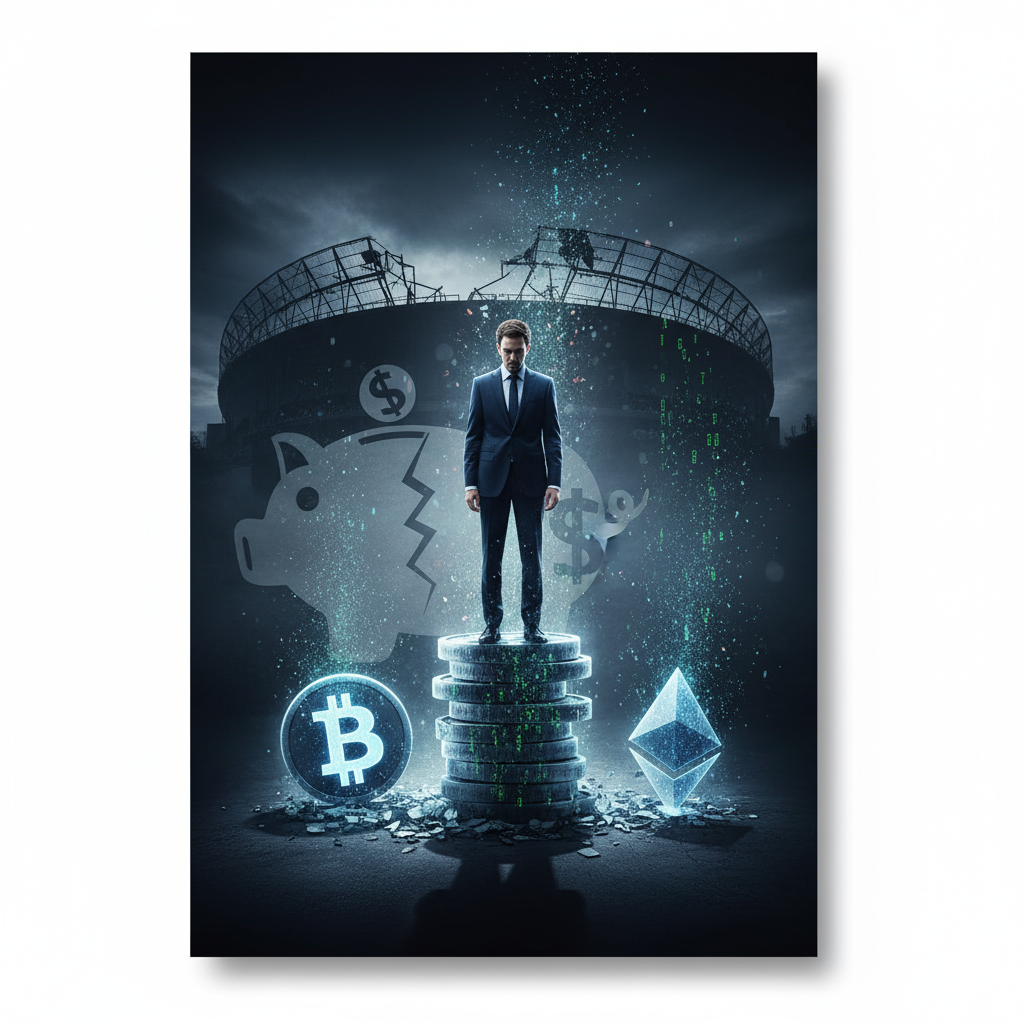
After a month-long trial that felt like a true-life financial thriller, the jurors just weren't buying SBF's narrative. He spent four days on the stand, stubbornly insisting he never committed fraud or intended to cheat anyone before FTX, once the titan of crypto exchanges, went belly-up a year ago. But the jury saw through it. As Assistant U.S. Attorney Danielle Sassoon powerfully summed it up right before deliberations: "His crimes caught up to him. His crimes have been exposed." She laid out how this onetime billionaire treated customer funds like his own "personal piggy bank," letting up to $14 billion simply evaporate. It’s almost impossible to process that much money vanishing into thin air.
The Ghost of Madoff Haunts the Crypto World
Let's be real: when you hear about fraud on this scale, you can't help but think of Bernard Madoff. That’s some seriously notorious company for SBF to join, isn't it? Madoff’s Ponzi scheme spanned decades, cheating thousands out of about $20 billion before he finally pleaded guilty and got a 150-year sentence. While SBF didn't take that plea deal, the sheer magnitude of this FTX fraud cements his place in the annals of major white-collar crime. U.S. Attorney Damian Williams didn't mince words: this is one of the biggest frauds in U.S. history, period.
The prosecution masterfully contrasted the image of the slick, messy-haired crypto prodigy with the subdued, suited defendant we saw in court. They showed the jury snapshots of SBF catching Zs on a private jet or mingling with celebs like Katy Perry at the Super Bowl. Assistant U.S. Attorney Nicolas Roos didn't pull punches, labeling Bankman-Fried as someone obsessed with "celebrity chasing." His defense attorney, Mark Cohen, fought hard, arguing the government was unfairly trying to paint Sam as some "villain" or "monster." But clearly, the evidence spoke louder than the spin.
The Inner Circle Sings: Testimony That Sank SBF
What ultimately sealed SBF’s fate wasn't a technical argument; it was the devastating testimony from his supposed closest confidantes. The government relied heavily on three key witnesses who flipped: Caroline Ellison, the former CEO of Alameda Research and SBF’s ex-girlfriend; Gary Wang, the FTX co-founder and CTO; and Nishad Singh, the former head of engineering. These insiders essentially handed over the playbook, showing exactly how SBF orchestrated the misuse of billions in customer assets.
Ellison's testimony was raw. She revealed that SBF actively directed her at Alameda to commit fraud while he chased world domination—leading major companies and aiming for the White House, which she shockingly claimed he thought he had a 5% shot at achieving! Can you even imagine? She even admitted feeling a huge sense of "relief" when the empire collapsed because she was finally done with the lying. That's heavy stuff, folks.
Then came the technical bombshell from Gary Wang. He testified that SBF ordered him to insert specific lines of code into FTX’s backbone. This code was the golden ticket, letting Alameda Research make unlimited withdrawals from FTX and granting them a credit line that swelled to an unbelievable $65 billion. And where did that money originate? You guessed it: customer deposits. Singh, the engineering chief, described feeling "blindsided and horrified" when he grasped the true scope of the FTX collapse and the resulting crypto fraud, admitting the situation left him suicidal. These three cooperators, all pleading guilty themselves for leniency, provided the roadmap of the alleged theft.
The Bahamas Bubble Bursts: End of the Crypto Wild West?
This entire saga isn't just about the money; it’s about the toxic culture that allowed such recklessness to flourish. We’re talking about a group of young executives, mostly in their twenties, cohabiting in a $30 million luxury penthouse in the Bahamas, supposedly building the next generation of finance. It reads like a cautionary tale, doesn't it?
The moment customers couldn't get their money out last November, the glittering facade shattered. Even after his arrest, SBF struggled to keep quiet, reportedly making hundreds of calls to journalists and online influencers. This interference ultimately cost him his freedom on bail; the judge locked him up in August, concluding he was trying to improperly influence potential trial witnesses while under house arrest at his parents' California home. He just couldn't stop meddling!
The prosecution made sure the jury understood the massive influence SBF bought with those stolen funds—investments, huge political contributions, and that flashy PR machine featuring stars like Larry David and Tom Brady. It was all built on a foundation of deceit.
What This Conviction Means for Crypto Regulation Moving Forward
So, what happens now? This conviction is a massive, inescapable warning flare for the entire cryptocurrency industry. It strongly suggests that the era of operating in a completely unregulated "Wild West" environment is likely drawing to a close. Regulators are paying close attention, and this guilty verdict sends a crystal-clear message: fraud won't be excused, no matter how groundbreaking the technology claims to be. For Sam Bankman-Fried, the next hurdle is sentencing, which could be brutal. But for crypto investors everywhere, this verdict stands as a harsh, unforgettable lesson: the flashiest rise built on broken trust inevitably leads to the deepest legal hole. This is a definitive close to one of the industry's darkest chapters, and frankly, we needed that closure. The SBF trial has absolutely set a new legal precedent.